



Vitamin D and COVID-19: Benefits and Effectiveness



Vitamin D has been hailed as an aide in the fight against COVID-19. Judging by the empty supermarket shelves, the public is listening. But what’s the theory behind it, and where’s the evidence? Can vitamin D stop us from catching COVID-19? Or stop it from making us very ill? We’ve examined the facts.
What can you find here?
Why do scientists think vitamin D fights COVID-19?
Vitamin D strengthens bones and teeth, relieves muscle aches, keeps blood vessels elastic, and wards off depression and mental fatigue.
Some think it may also play a role in the immune response to fight off respiratory infections. Coronavirus is one such infection – a particular strain is a virus causing COVID-19 disease.
Vitamin D deficiency is more common in those with darker skin tones, elderly and nursing home residents, and those with long-term health conditions such as obesity, diabetes, and high blood pressure. These groups are also the people most susceptible to the COVID-19 virus and the most at risk of serious illness and death.
Where's the evidence?
We can look at this from how people fared if they were vitamin D deficient and caught COVID-19.
Research has found that many people with COVID-19 also have low vitamin D levels. Some studies have linked vitamin D deficiency with more severe illness, hospitalization, and death. However, this does not prove that low vitamin D causes worse COVID-19 outcomes.
Many factors linked with low vitamin D, including older age, obesity, and certain chronic health conditions, are also associated with a higher risk of severe COVID-19. This makes it difficult to know how much vitamin D itself affects the risk.
Pharmacy Treatments


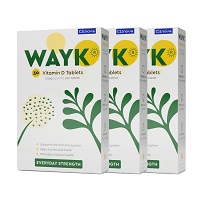

What if we start taking vitamin D when we get COVID-19?
This is another way scientists have looked for evidence of a relationship between vitamin D and COVID-19: if you catch COVID-19, will starting vitamin D medication help you on to recovery?
Studies of vitamin D supplements have also produced mixed results. Some have suggested a possible benefit, while others have found that high-dose vitamin D did not reduce hospital stays, the need for intensive care or mechanical ventilation, or the risk of death.
For now, there is not enough evidence to recommend vitamin D supplements specifically to prevent or treat COVID-19. However, getting enough vitamin D remains important for bone health and normal immune function.
Vitamin D supplements don’t usually cause side effects or problems. If you’re taking a standard dose regularly (15 micrograms or 600 international units), there is no risk of toxicity unless you have certain medical conditions such as cancer or severe kidney disease.
There is no strong scientific evidence to show that a very high intake (i.e., mega supplements) of vitamin D will be beneficial in preventing or treating COVID-19.
So the verdict is…
Well, it’s tricky. Some studies have seen a positive gain, but other studies have shown vitamin D levels have little or no effect on COVID-19. It’s also a complex picture in this brand new disease, raising questions about whether those with COVID-19 in the community can be compared to those in the hospital and how we can account for age, gender, weight, and other health problems to give a one-size-fits-all verdict.
We await more research. But in the meantime, it has been recognized that vitamin D deficiency may be a bigger problem than ever, as the pandemic has kept many indoors.
With the relatively low risk of taking supplements and all of the health benefits of keeping vitamin D levels topped up, it may make sense to take them, particularly from October to April. Those at higher risk of deficiency should take supplements all year round.
The AI in healthwords.ai refers to conversational search, while the only AI tools used for articles are grammar and language improvements - medical content remains rigorously authored by healthcare professionals.
Related topics


What can you find here?